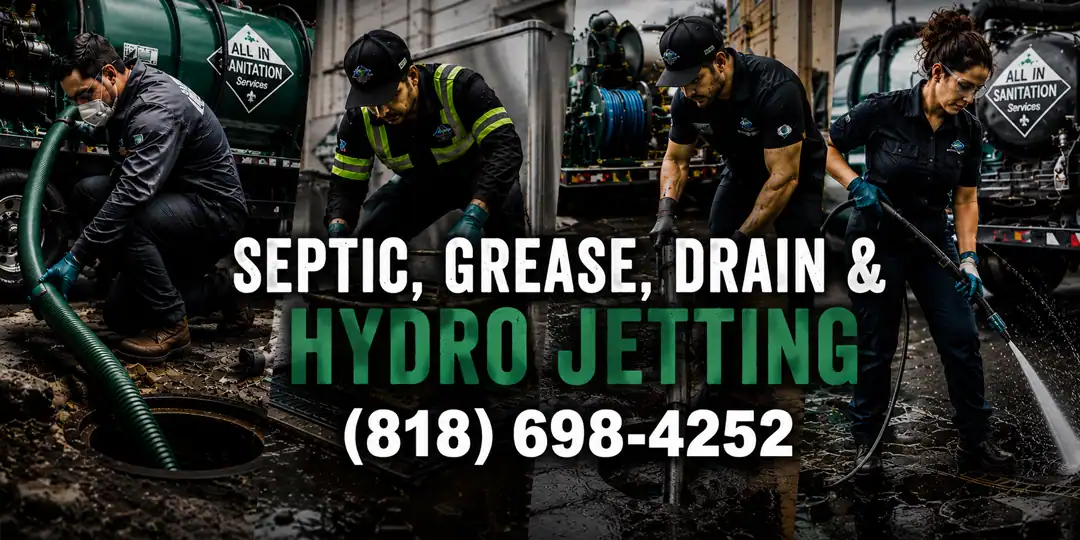
Restaurant Grease Trap Pumping And Cleaning
Restaurant Grease Trap Pumping and Cleaning services are a necessary part of commercial kitchen and restaurant maintenance. Without proper grease management, restaurants can face serious problems, such as blocked pipes or even health code violations. Fortunately, we specialize in providing reliable and efficient Grease Trap Cleaning | Grease Trap Pumping | Emergency Grease Trap Pumping | Los Angeles, CA
Have you ever walked into a kitchen that smells strongly of rancid oil? Or noticed an unpleasant odor coming from drains in the restaurant? These issues could be signs of poor grease management – specifically, not having your grease traps properly maintained through regular pumping and cleaning. Grease traps capture large amounts of fats, oils, and greases (FOG) before they enter plumbing systems where they’d otherwise create blockages or other damage.
If you’re a business owner looking for professional help with maintaining your restaurant’s grease traps, hiring our experienced technicians is essential. Our professional grease trap pumpers know how to safely dispose of FOG waste while also ensuring the maximum efficiency of your system. We will ensure that no unhealthy residue remains after each service visit, so you can continue serving customers without worrying about sanitation or odors!
What Is Grease Trap Pumping & Cleaning?
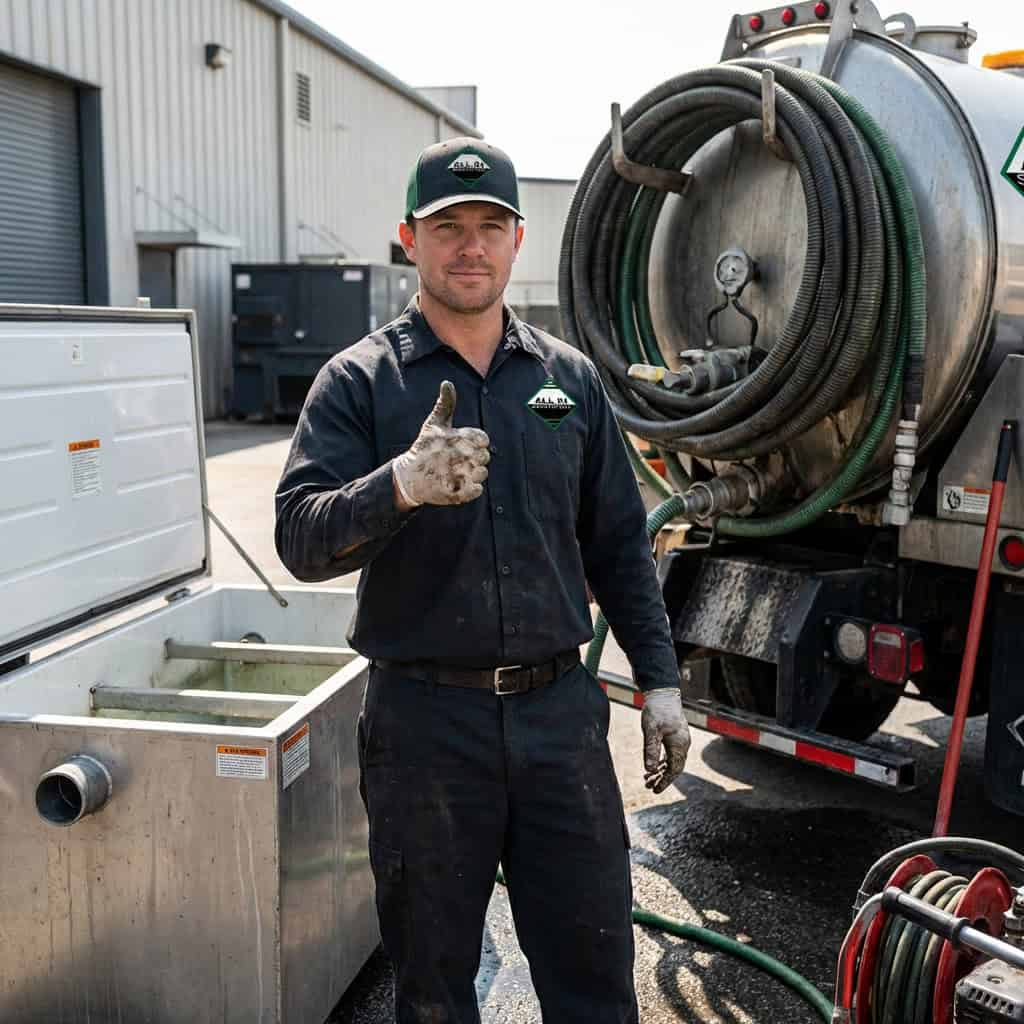
To put it simply, grease trap pumping and cleaning are important parts of any commercial kitchen’s maintenance. It involves removing all fats, oils, and grease that have accumulated in the pipes and drains over time. This prevents clogs from forming, which can cause costly repairs for businesses. Additionally, regular inspections are necessary to identify issues before they become a major problem.
The process starts with inspecting the system to locate any potential blockages or build-up of debris. Once these areas are identified, a high-pressure water-jetting machine will be used to blast away stubborn buildup and flush out any remaining solids trapped in the piping system.
After this step is complete, our professional technician will use specialized tools, such as vacuums, to clean up the residual waste left behind by the jetter. Finally, an inspection of the entire system is conducted to confirm everything has been properly cleaned and repaired if needed.
In summary, grease trap pumping and cleaning services provide restaurants and other food establishments with peace of mind, knowing their plumbing systems are running smoothly and helping them avoid nasty surprises down the road. With routine inspections and preventive wastewater management practices in place, businesses can avoid costly repair bills from neglected maintenance.
Why Is Grease Trap Pumping & Cleaning Important?
As the saying goes, “A stitch in time saves nine.” This is particularly true when it comes to restaurant grease trap pumping and cleaning. Grease traps are an essential part of any commercial kitchen’s plumbing system and need regular maintenance. Without proper inspection, pumping, and cleaning services, a restaurant could face costly repairs and health risks for its customers.
Grease Trap Cleaning | Grease Trap Pumping | Emergency Grease Trap Pumping | Los Angeles, CA should be performed regularly by our experienced professionals, who understand how to inspect these systems properly. Regular inspections help identify blockages before they become major problems that can cause extensive damage or harm people’s health. For example, if not cleaned regularly, trapped grease can corrode pipes, leading to leaks that can contaminate food sources with bacteria from wastewater runoff. In addition, grease buildup can cause unpleasant odors throughout the establishment, making the environment less than ideal for patrons and staff alike.
To ensure the safe operation of your restaurant’s plumbing system, you will need professional grease trap inspection, pumping, and cleaning services from our qualified technicians specializing in this area. We have access to specialized equipment needed to clean large-scale units often found in restaurants- from high-powered pumps used to remove sludge buildup to chemicals designed to break down fat deposits in order to keep drains free-flowing. With our assistance, business owners can rest assured that their facility complies with local regulations and maintains safety standards at all times.
What Does A Grease Trap Pumping & Cleaning Service Include?
As a business owner, the thought of grease trap pumping and cleaning might conjure up an image of messy, smelly work. But this service is essential for ensuring that wastewater from your commercial kitchen flows properly – without it, you’re at risk of damage to your plumbing system and hefty fines from regulators. A quality grease trap pumping & cleaning service will include a thorough inspection and maintenance process to keep everything in order.
The first step with any grease trap pumping & cleaning service should be a comprehensive inspection. This includes examining the equipment’s physical condition, verifying that all parts are functioning properly, and confirming that there are no signs of clogging or blockages. In addition, we’ll look out for signs of corrosion on components such as pipes or seals, which can eventually lead to leaks if left unchecked. Afterward, we’ll recommend necessary repairs or replacements to ensure smooth operation going forward.
Finally, regular maintenance is key to keeping your grease interceptor running optimally. This includes cleaning out accumulated fats, oils, and other organic matter that have built up over time; checking connections between components such as pumps and valves; replacing worn-out parts; performing periodic testing to ensure proper functioning; and removing debris from pipelines to prevent any interruption in flow. All these activities help prevent costly repairs down the road due to malfunctioning equipment as well as possible environmental hazards associated with improper disposal of waste materials.
Hiring professional services like ours ensures your restaurant’s operations remain compliant and avoids unwanted disruptions caused by faulty systems. With our expertise, we can provide peace of mind knowing that both safety standards and regulatory requirements are met effectively every time!
How Often Should Grease Traps Be Pumped & Cleaned?
Did you know that nearly a quarter of all restaurant grease trap malfunctions are caused by inadequate maintenance? That’s why it’s important to understand how often your business should pump and clean its grease traps. Regular pumping and cleaning services are essential for efficient operation and for meeting local regulations.
Industry experts generally recommend having your grease trap inspected every three months. This is especially true if the facility serves high volumes of food or has large amounts of fats, oils, and grease (FOG) entering the interceptor. An inspection will help identify any issues with the tank itself or the drainage system connected to it. During an inspection, technicians look for clogs or blockages in the pipes, as well as other signs of buildup or malfunctioning parts.
In addition to regularly inspecting your system, it’s important to have your grease interceptor pumped and cleaned at least once per year. While this frequency can vary depending on factors such as usage levels and environmental conditions, annual servicing helps prevent sludge from accumulating inside the tank – which can lead to major problems down the line! Grease trap pumping & cleaning services provide a comprehensive approach to keeping your kitchen running safely and smoothly.
What Are The Benefits Of Grease Trap Pumping & Cleaning?
The grease trap pumping and cleaning services are like a lifeboat in the turbulent sea of restaurant operations. Without it, restaurants would be adrift in an ocean of sewage backed up into their kitchen areas. The benefits of investing in these services are twofold. On the one hand, they prevent the dreaded backup by ensuring that all waste is piped away quickly and safely. On the other hand, they ensure that kitchens remain hygienic and free of bacteria or odors caused by old food debris building up in drains.
In addition, regular maintenance ensures that pipes don’t become blocked by a buildup of fat, oil, and grease, which can reduce water pressure over time. This means more efficient operation for the business as well as lower repair costs if something does go wrong down the line. Moreover, clean traps make it easier for inspectors to verify compliance with health regulations, so businesses can remain compliant with local laws without worrying about fines or penalties.
Grease trap pumping and cleaning services offer peace of mind to restaurateurs who want to keep their business running smoothly without suffering from costly plumbing problems later on. Investing now will save them money down the road while keeping their customers happy and comfortable, knowing that everything is properly taken care of behind closed doors.
Common Types Of Grease Traps
Nothing is as disgustingly eye-opening as the sight of overflowing grease traps. It’s like an endless sea of sludge, bubbling and seeping out from every crack and corner! But beneath all this muck lies a great necessity for any commercial kitchen – the humble grease trap.
These contraptions are designed to capture fats, oils, and greases that accumulate in drainage pipes from everyday cooking. Common types of grease traps include interceptors, separators, and strainers. Interceptors are typically large tanks that rely on gravity to separate solid particles before they enter wastewater systems. Separators use a swirling action within their tank to force heavier solids away from liquid waste, while strainers contain perforated plates or filter bags which act as a physical barrier between water and solid contaminants.
Without these specialized devices, restaurants couldn’t function properly due to their ability to prevent clogs caused by fat buildup; instead allowing clean water to flow freely throughout plumbing systems without disruption. They also help ensure compliance with local health codes regarding proper disposal of hazardous materials found in food preparation areas. All in all, regular maintenance such as pumping and cleaning services can make sure your restaurant runs smoothly – no more overflowing messes!
Potential Risks Of Poorly Maintained Grease Traps
Grease traps are essential for the proper functioning of an efficient and clean kitchen, yet many businesses fail to appreciate their significance. Without adequate care, these systems can become a significant health hazard – particularly when it comes to potential risks of poorly maintained grease traps. As such, understanding why professional maintenance is important is key in avoiding costly issues down the line.
Let’s take a closer look at some of the problems that can arise from neglecting this vital part of any commercial kitchen setup. For starters, improper cleaning or lack thereof can lead to clogged drains and backups, which will inevitably result in unpleasant odors emanating throughout your restaurant space. Furthermore, unserviced grease traps increase the risk of hazardous bacteria accumulating in your food preparation areas and contaminating nearby waterways, creating environmental hazards and potential legal repercussions.
The takeaway here? Investing in regular grease trap pumping & cleaning services may seem like an unnecessary expense at first; however, it could ultimately save you time and money by preventing costly repairs and ensuring compliance with local regulations.
Tips For Maintaining Grease Traps
One tip for maintaining grease traps is to keep an eye out for any signs of clogging or build-up within the pipes. This could be anything from a slow-draining sink to foul odors coming from the drains. If you notice these issues, call in our professionals as soon as possible so they can address the problem before it becomes more serious. Additionally, always use biodegradable detergents when cleaning appliances such as ovens, deep fryers, and dishwashers – this will prevent excess fat and oil from entering the system.
Finally, consider installing automatic skimmers to remove surface grease before it enters the drainpipe. By doing this regularly, you’ll significantly reduce buildup over time while also saving on maintenance costs, since professionals won’t need to come out as often.
Keeping up with regular maintenance is key when it comes to managing your grease trap efficiently – without proper care, it can lead to costly repairs down the line. Taking proactive steps today can save you time and money tomorrow!
Signs You Need To Clean Your Grease Trap
From the outside, a grease trap may look unassuming and harmless. But while it can be an important part of your restaurant’s infrastructure, neglecting to maintain it can have serious consequences. Signs you need to clean your grease trap are often easy to spot – but just in case, let’s take a closer look.
Grease traps should typically be cleaned at least every three months; if left longer than that, they’ll become clogged and won’t work as efficiently. Unpleasant odors or slow-draining sinks could also indicate a blockage in the grease trap that needs attention. Additionally, if you notice visual signs such as oil floating on the water inside the unit, this is another red flag that you need to arrange cleaning services soon. Finally, if you’re hearing strange noises coming from the area around the grease trap – similar to gurgling sounds – then there’s definitely a problem.
It doesn’t take much effort or time to maintain your grease trap properly – but letting it go unchecked will cause problems down the line. Be sure to keep an eye out for these telltale signs so you don’t end up with bigger issues later. Regular maintenance checks are key to keeping your restaurant running smoothly and safely!
Schedule Your Grease Trap Pumping, Inspection and Cleaning Appointment
Grease trap pumping and cleaning are important parts of proper maintenance for businesses. It not only helps keep your business compliant with regulations but also ensures a clean and safe workplace.
Choosing the right type of grease trap for your business can help you prevent backups and clogs and save money in the long run by avoiding costly repairs or replacements. Additionally, regular maintenance will help you stay on top of potential problems before they become too severe.
Finally, it’s important to be aware of signs that it’s time for a professional cleaning service; this way, you can ensure your grease traps operate at peak efficiency year-round. So don’t wait until it’s too late – take action now and get those grease traps pumped and cleaned!
We provide cleaning and maintenance for grease traps in:
- Schools
- Restaurants
- Hotels
- Stadiums
- Government Facilities
- Malls
- Grocery Stores
- Labs
- Food Processing Manufacturers
We thoroughly clean your grease trap to eliminate any unpleasant odors and prevent safety issues. All grease waste is disposed of and recycled at our recycling facility, LEND Environmental, in accordance with all local, state, and federal regulatory requirements.
Why choose us:
All In Sanitation offers a preventative maintenance program. If you are in search of a company that has full knowledge of commercial kitchens, including ranges, fryers, griddles, and grills, grease traps, and grease interceptors, you have come to the right place. Our team consists of professionals who can provide you with information on properly caring for your grease gravity device and addressing all your grease management needs. By choosing us, you are guaranteed to receive the highest quality of service and a competitive pricing structure in the industry.
WE OFFER:
✅ KITCHEN EXHAUST AND HOOD CLEANING
✅ GREASE TRAP PUMPING
✅ USED COOKING OIL COLLECTION
✅ PRESSURE WASHING
✅ HYDRO JETTING
✅ CAMERA INSPECTION
✅ GREASE CONTAINERS
ALL FROM A SINGLE VENDOR.
Our Customers:
- Buffalo Wild Wings
- Taco Bell
- McDonalds
- Benihana
- JSL Foods
- Teres Mexican Grill
- Kook Korean BBQ
- De Luxe Cafe
- Capri Gelato & Coffee Grill
- Barnes and Noble
- Dickey’s BBQ Pit
- Oji Sushi
- Wildflour Bakery
- Donut Inn
- Manas Indian Cuisine